
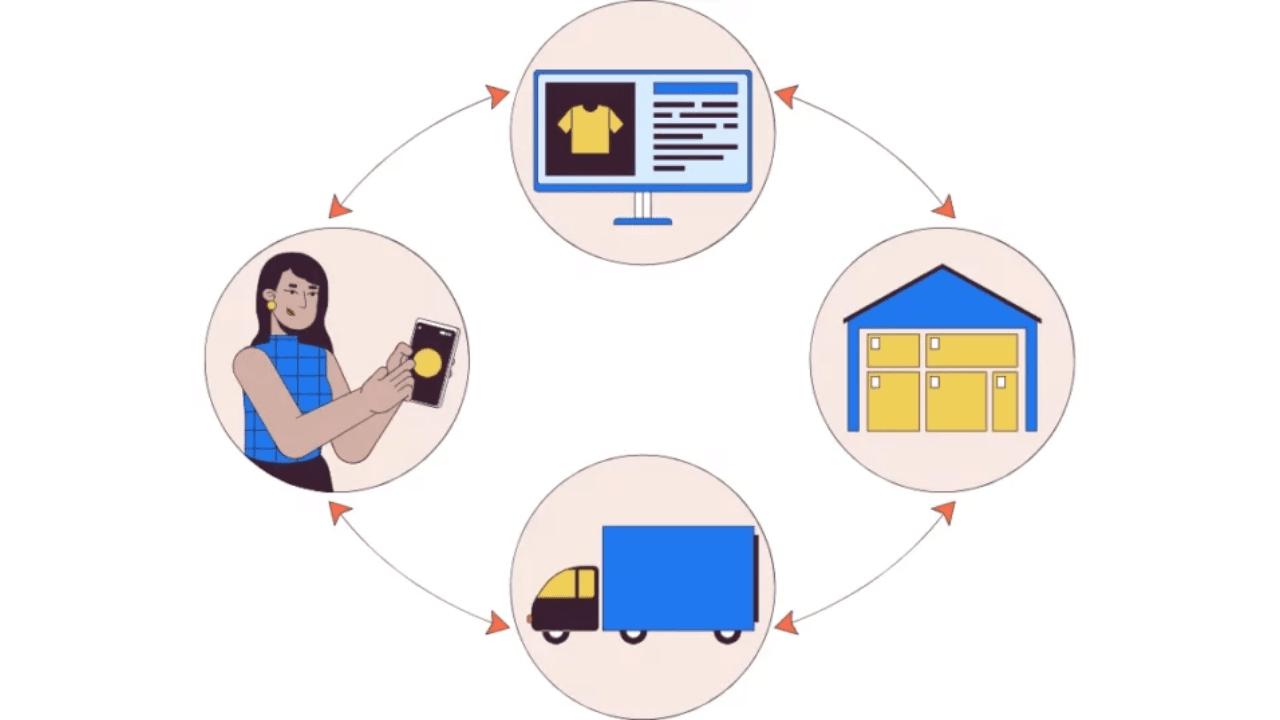
There was a time when “dropshipping” felt like the golden ticket.
Search YouTube in 2018, and you’d see hundreds of videos claiming:
“Find a trending product on AliExpress, list it online, run Facebook ads, and profit!”
For a while, it worked.
The formula was simple, scalable, and exciting for India’s new generation of online entrepreneurs. But fast-forward to today, and the model that once looked unbeatable has hit a wall.
The reason isn’t just competition or marketing costs. It’s something deeper — a fundamental shift in how Indian consumers buy, trust, and identify with brands.
Let’s unpack what really happened.
1. The Shipping Time Crisis

Every business starts with a promise — and in eCommerce, that promise begins with delivery.
Indian consumers now live in an “instant world.” Groceries arrive in 10 minutes. Phones deliver in 1–2 days. Speed isn’t a luxury anymore — it’s expected.
Dropshipping, by design, breaks that promise.
Most dropshippers import from China or third-party warehouses abroad. Shipping often takes 12–30 days, depending on customs clearance and courier efficiency.
To a buyer in Bengaluru or Pune, that’s unacceptable.
By the time the parcel arrives, the impulse that triggered the purchase is gone. Worse, they’ve already found something similar — and faster — on Amazon or Myntra.
The gap between click and delivery destroys trust.
Trust isn’t just about honesty — it’s about reliability.
And reliability is the one thing dropshipping can’t guarantee in India’s fast-paced retail environment.
2. The Quality Roulette
The second problem runs even deeper: inconsistency.
When your supply chain is built on third-party vendors, you’re not running a brand — you’re running a lottery.
Each order could come from a different supplier, different fabric batch, or entirely different quality standard.
The result? The same T-shirt that earned five stars last week could earn one star today.
This inconsistency kills reputation faster than bad marketing ever could.
Indian consumers might forgive a late delivery once, but they’ll never forget a poor-quality experience. And once you lose trust, every rupee spent on ads becomes a bandage over a broken bone.
Latest Article: Understanding GSM in Fabrics — Discover how fabric weight impacts your custom T-shirts. Read Now
3. The Missing Identity
Here’s the real reason dropshipping is dying — not logistics, not payments, not suppliers — but identity.
When you sell generic products that anyone can list, you don’t own the story.
Your product becomes forgettable, your brand interchangeable.
But in 2025, consumers are no longer just buying products — they’re buying belonging.
- Think of why people wear a specific sneaker, carry a specific tote, or rep a specific slogan tee. It’s not about the cotton or the color — it’s about what it represents.
- That’s what modern retail understands:
- Dropshipping sells items. Branding sells meaning.
- In India, the new generation wants meaning — local roots, honest storytelling, cultural connection. They’re done with faceless, foreign-feeling products.
If your product doesn’t have a story, it doesn’t have a soul.
And soulless products don’t survive.
4. No Control = No Brand
Dropshipping also strips founders of control — the single most powerful element in business.
You can’t control packaging.
You can’t control customer service.
You can’t control returns, or even ensure that the right product reaches the right address.
When something goes wrong — and it often does — the customer blames you, not the supplier.
Building a brand means building an experience from first click to final delivery.
That experience is what creates repeat customers, word-of-mouth, and eventually — longevity.
Without control, you’re not building a brand. You’re renting someone else’s logistics.
Follow @factori.com_official to watch how we create custom T-shirts, uniforms, and merch — one order at a time!
5. The Payment Block Wall

Let’s talk cashflow — the silent killer of small online businesses.
Payment gateways in India have grown stricter. High refund rates and poor delivery performance mark stores as “risky.”
When that happens, your funds are held for weeks or months.
You can’t reinvest in marketing.
You can’t buy samples.
You can’t scale.
Your business suffocates in its own success.
This is why so many dropshipping stores close not because they stop selling — but because they can’t access their own money.
So What’s Next? The Rise of Modern Retail
Dropshipping was built for a world where customers cared about cheap.
Modern retail is built for a world where customers care about connection.
The shift happening now is toward zero-inventory, locally powered, brand-led retail.
Instead of reselling someone else’s products, creators are designing their own — and partnering with manufacturers who handle production, packaging, and delivery under their brand name.
It’s a new kind of commerce that blends flexibility, creativity, and trust.
Where Factori Comes In — retailing.factori.com
This is where Factori changes the game.
Factori isn’t another dropshipping marketplace. It’s a manufacturing-powered retail ecosystem designed for the next wave of Indian brands.
Here’s how it works:
- Local Manufacturing: Products are made in India — no long import delays.
- Zero Inventory: You sell first; production happens on demand.
- Branded Fulfillment: Each order carries your logo, your story, your identity.
- Nationwide Delivery: Customers get their products fast, from a trusted domestic network.
- End-to-End Support: Factori handles quality checks, logistics, and scaling — so you can focus on design and community.
It’s not about reselling — it’s about rebuilding retail from the inside out.
This model gives creators the creative freedom of dropshipping with the professionalism and control of a full-scale brand.
You handle: Brand, Design, and Community.
Factori handles: Production, Quality, Marketing and Logistics.
That’s how you build something real — something that lasts.
Follow factori.com on LinkedIn to see how we turn business ideas into branded apparel— from concept to completion.
The Indian Market Is Ready
India doesn’t need more resellers.
It needs storytellers, brand builders, and creators who understand that commerce is no longer about transactions — it’s about trust.
Consumers now prefer buying directly from brands that feel local, authentic, and value-driven.
If you can give them that — fast delivery, great quality, and emotional connection — they’ll stay for life.
Conclusion: Dropshipping Was an Era. Brand-Building Is the Future.
Every retail generation ends with a turning point.
For India, that moment is now.
Dropshipping taught thousands of people how to sell.
Now it’s time to learn how to build.
Modern retail isn’t about importing cheap goods; it’s about exporting great ideas.
It’s about creators turning their imagination into identity — powered by local manufacturing and a smarter supply chain.
That’s exactly what retailing.factori.com is built for.
You don’t need stock. You don’t need risk.
You just need a vision.
🚀 Factori Retailing Is Launching Soon
If you’ve ever dreamed of starting your own apparel or merchandise brand, this is your moment.
Build your brand. We’ll handle the rest.
👉 Join the waitlist at retailing.factori.com for early access, creator tools, and launch benefits.
FAQs
Dropshipping is failing in India because customers expect fast delivery, consistent quality, and trustworthy brands. Imported dropshipped products take 12–30 days to arrive and often vary in quality, which destroys customer trust and repeat business.
The main problems are long shipping times, poor quality control, lack of brand identity, no packaging control, and frequent payment gateway holds due to high refund rates. These issues make the model unsustainable for long-term growth in India.
Modern retail models such as zero-inventory and on-demand manufacturing are replacing dropshipping. These allow creators to sell branded, locally made products with faster delivery and full control over quality and customer experience.
It’s difficult. Profit margins are low, marketing costs are high, and customer expectations are rising. The future lies in building your own brand and partnering with local manufacturers that offer faster fulfillment and better reliability.
Factori provides a zero-inventory, made-in-India retail platform called retailing.factori.com, which lets creators sell custom products under their own brand. Factori handles production, quality checks, and nationwide delivery — giving brands control without holding stock.

Leave a Reply