
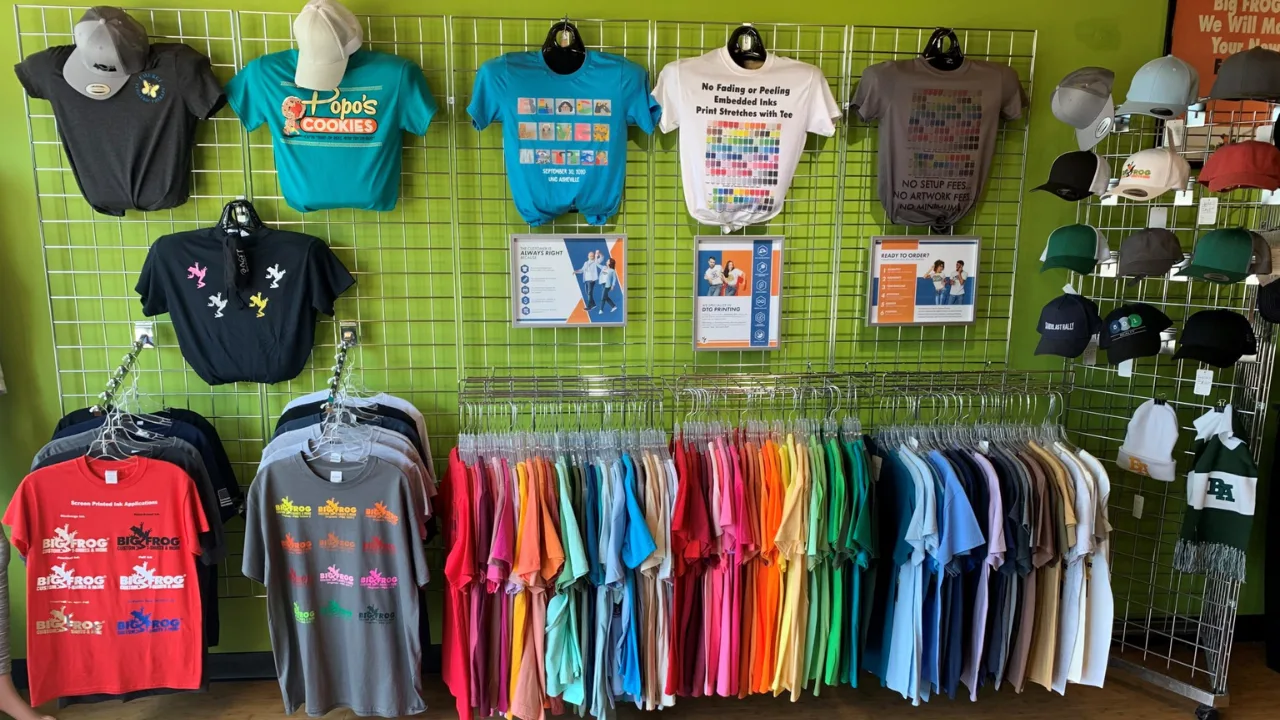
Want to sell custom T-shirts, hoodies, or tote bags without spending on bulk stock or storage? You can — and many new entrepreneurs are building profitable clothing brands using a zero-inventory business model. In this guide, you’ll learn exactly how to start a custom apparel business with zero inventory, step by step. Plus, discover how Factori (retailing.factori.com) helps you launch your own apparel store with no upfront investment, no inventory risk, and full creative control.
What “zero inventory” actually means

Zero-inventory means you don’t buy and hold products in advance. Instead, you create designs and only order or print a garment when a customer places an order. That removes storage costs, reduces financial risk, and lets you test ideas quickly.
There are three common ways to do this:
- Print-on-demand (POD) / made-to-order — a supplier prints each item after purchase.
- Dropshipping — a third party stores and ships branded items for you.
- Pre-orders — you accept orders first, then manufacture in one batch if enough people buy.
All of these keep you from paying for inventory upfront.
Why zero-inventory is perfect for beginners
- You don’t need a big bank balance.
- You can try lots of designs and niches fast.
- You won’t be stuck with unsold shirts.
- You can run the whole thing from a laptop, phone, and Wi-Fi.
Latest Article: Understanding GSM in Fabrics — Discover how fabric weight impacts your custom T-shirts. Read Now
Step-by-step: Start a custom apparel brand with zero inventory
1. Pick a clear niche
A niche is a small, focused audience — e.g., “funny science T-shirts for 14–18 year old students” or “eco tote bags for farmers’ market vendors.” Niches make marketing easier because you know who you’re talking to.
2. Make simple, bold designs
You don’t need to be a pro. Start with:
- text-based designs
- simple icons, or
- mashups of trending ideas + your twist.
You can learn basic design in free tools (Canva, Figma) or hire a student designer for small gigs.
3. Choose the zero-inventory method that fits you
- POD / made-to-order: Great if quality and printing options matter.
- Dropshipping: Useful when you want lots of product types without handling fulfillment.
- Pre-orders: Good for limited-edition launches where you want bulk pricing.
4. Build a place to sell (fast)

You don’t need a complex website at first. Options:
- A simple online store (Shopify, WooCommerce)
- Social shops (Instagram/Facebook shops, link in bio)
- A marketplace or a platform that launches a ready store for you
If you want an especially quick path without upfront inventory or complicated setup, platforms that let you launch a store with products, payment gateway, shipping, and branding built in are ideal. That’s exactly what factori’s Retailing (retailing.factori.com) is designed to do — helping you start earning from day one, without worrying about stock or logistics.
Follow @factori.com_official to watch how we create custom T-shirts, uniforms, and merch — one order at a time!
How Factori’s Retailing Platform helps
Factori offers a built-for-you retail program that aligns perfectly with the zero-inventory approach:
- No upfront inventory — you don’t need to invest in stock; sell first, and products are made or shipped when ordered.
- Ready product catalog — access 1,000+ customizable products (T-shirts, hoodies, tote bags, caps, and more).
- Built-in store setup — your store comes with payments, shipping, and product management tools pre-integrated.
- Custom branding — your logo, your designs, your brand — Factori handles the back-end production and dispatch.
- Scalability — when you grow, you can easily shift from print-on-demand to bulk manufacturing through Factori’s main production ecosystem.
In short: factori Retailing removes a lot of the boring, technical, and inventory headaches — you can focus on designs, marketing, and customers.
A short first-week checklist
- Decide niche and 5 design ideas.
- Create 3 product mockups (shirt + one other).
- Sign up for a store option (or Factori Retailing to skip inventory setup).
- Write 3 social posts and schedule them.
- Launch the store and tell 20 friends/family to buy or share.
Common beginner mistakes
- Trying to sell to everyone. Pick one audience and speak to them.
- Too many designs at once. Test a few; double down on winners.
- Ignoring shipping times. If items take 10–14 days to arrive, tell customers — clear expectations reduce returns.
- Poor photos. Spend a little time on attractive mockups — they make sales.
Follow factori.com on LinkedIn to see how we turn business ideas into branded apparel— from concept to completion.
Conclusion
Zero-inventory businesses are perfect for anyone who wants to start small, experiment with designs, and grow into a full brand — without financial risk.
If you’re dreaming of launching your own apparel label but don’t want to deal with manufacturing, packaging, or storage — Factori’s Retailing is built just for you.
🚀 Factori Retailing is launching soon!
Be the first to explore how you can launch your apparel brand with zero inventory, zero risk, and full creative control.
👉 Join the waitlist now at retailing.factori.com for early access and exclusive launch benefits.
FAQs
No. Print-on-demand produces customized products only after a sale, while dropshipping ships pre-made or white-label products from a supplier.
You can design products using free tools, partner with a print-on-demand or dropshipping supplier, and sell through an online store or social platform.
Yes. Use high-quality fabrics, good product photos, and consistent branding. Many POD suppliers also offer custom labels and branded packaging.
Zero inventory means you don’t buy or store products before selling. Items are created or shipped only after a customer places an order.
Be transparent about production time, delivery estimates, and return or replacement rules for made-to-order items.
Leave a Reply