
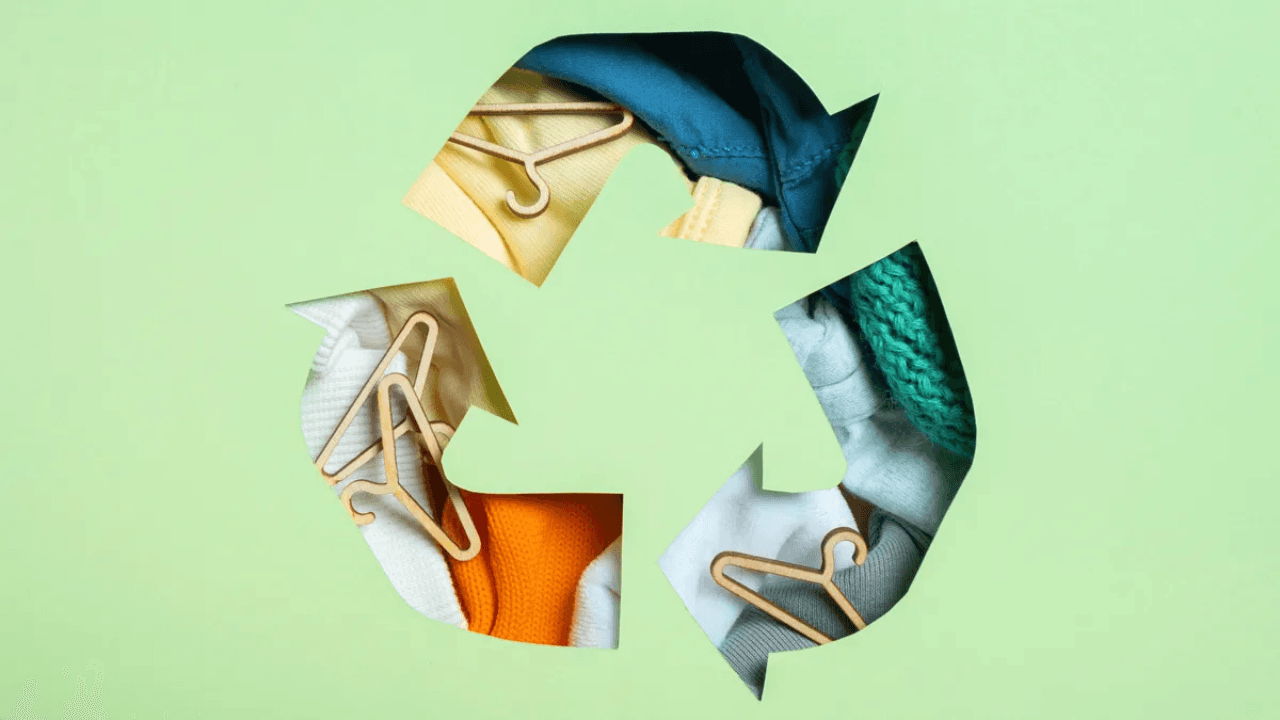
The fashion industry has long been known for creativity and innovation but also for its environmental impact.
From excessive water usage to textile waste and chemical dyes, fast fashion has pushed our planet to its limits.
Today, a quiet but powerful transformation is underway: sustainable apparel.
Across the globe and right here in India brands, manufacturers, and consumers are shifting toward eco-friendly materials and ethical production methods.
At factori.com, we believe sustainability isn’t just a trend — it’s the future of apparel manufacturing.
Let’s explore how eco-conscious materials like organic cotton, recycled fabrics, and water-based inks are reshaping the fashion game.

1. What Makes Apparel “Sustainable”?
Sustainable apparel refers to clothing made with materials and processes that reduce environmental harm and promote ethical production.
It focuses on three key pillars:
- Environmental Responsibility: Reducing carbon footprint, waste, and water usage.
- Social Ethics: Ensuring fair labor, safe working conditions, and community upliftment.
- Circular Design: Promoting reuse, recycling, and longevity of apparel instead of disposable fashion.
In short — it’s fashion with a conscience.
2. The Rise of Organic Cotton
Organic cotton is one of the cornerstones of sustainable fashion.
Unlike conventional cotton, which relies heavily on synthetic pesticides and fertilizers, organic cotton is grown naturally — preserving soil health and using far less water.
Why it matters:
- Uses up to 90% less water than regular cotton.
- Free from harmful chemicals, making it skin-friendly.
- Supports small-scale farmers and eco-farming practices.
At Factori, we’re seeing a growing demand from clients who specifically ask for organic cotton tees for their brand merchandise and uniforms — a small change that creates a big environmental difference.
Latest Article: Understanding GSM in Fabrics — Discover how fabric weight impacts your custom T-shirts. Read Now
3. The Role of Recycled Fabrics
Another major step toward sustainability is the use of recycled polyester (rPET) and blended fabrics made from plastic bottles or textile waste.
These materials help reduce waste in two powerful ways:
- Less landfill waste: By recycling post-consumer plastic and old garments.
- Lower energy footprint: Producing recycled fiber uses up to 50% less energy than virgin polyester.
These fabrics are strong, durable, and perfect for sportswear, corporate merch, and events — areas where Factori specializes.
Example: A single recycled polyester T-shirt can save the equivalent of five plastic bottles from entering oceans or landfills.
Follow @factori.com_official to watch how we create custom T-shirts, uniforms, and merch — one order at a time!
4. Water-Based Inks: Small Detail, Big Impact

Printing is one of the most crucial — and most chemical-intensive — parts of apparel production.
Traditional plastisol inks contain PVC and phthalates, which are harmful to both the environment and workers.
Water-based inks, on the other hand:
- Use natural pigments and water as the base.
- Have low VOC (volatile organic compounds) emissions.
- Create softer prints and breathable finishes.
They’re ideal for environmentally conscious brands who don’t want to compromise on quality or ethics.
At Factori, we increasingly recommend water-based inks for eco-friendly custom apparel projects.
Follow factori.com on LinkedIn to see how we turn business ideas into branded apparel— from concept to completion.
5. The Demand Shift: Consumers Want Conscious Choices
Millennials and Gen Z — the largest buyer groups today — are driving sustainability like never before.
They’re not just buying apparel; they’re buying values.
Surveys show that:
- Over 65% of consumers prefer brands with sustainable practices.
- 75% are willing to pay more for ethically produced clothing.
This shift means that sustainable apparel isn’t just good for the planet — it’s good business.
Brands that prioritize eco-friendly materials are gaining stronger loyalty and differentiation in the market.
Subscribe to factori.com on YouTube and see how every custom order comes to life — from fabric to finish!
6. India’s Role in the Sustainable Fashion Movement
India has always been a textile powerhouse, and now it’s also becoming a leader in eco-textile innovation.
From organic cotton farms in Gujarat to recycled yarn units in Tamil Nadu, Indian manufacturers are increasingly adopting green practices.
Initiatives like GOTS (Global Organic Textile Standard) certification and Sustainable Apparel Coalition membership are helping Indian factories meet international sustainability benchmarks — paving the way for global recognition.
7. Factori’s Commitment to a Sustainable Future
At Factori, we see sustainability as a shared responsibility.
Our approach includes:
- Encouraging clients to opt for organic cotton and recycled blends.
- Using water-based and eco-friendly printing processes.
- Reducing packaging waste and optimizing logistics for lower emissions.
- Partnering with manufacturers that follow ethical, transparent production methods.
We’re not perfect — but we’re taking deliberate steps to make apparel production cleaner, fairer, and more future-ready.
Conclusion: The Future Is Sustainable
Sustainability is no longer optional — it’s the foundation of the next era of apparel manufacturing.
Every eco-friendly decision — be it choosing organic cotton, recycled fabrics, or safer inks — brings us closer to a cleaner planet and a conscious marketplace.
At factori.com, we’re proud to be part of this transformation — helping brands, franchises, and entrepreneurs create apparel that feels good, looks great, and does right.
Frequently Asked Questions About Sustainable Apparel
1. What is sustainable apparel?
Sustainable apparel refers to clothing made using eco-friendly materials and ethical production methods that reduce environmental harm. It focuses on minimizing waste, saving water, avoiding harmful chemicals, and ensuring fair labor practices.
2. Why is sustainable apparel important in India?
India is one of the world’s largest textile producers, but also one of the most resource-intensive. Adopting sustainable practices helps reduce pollution, conserve water, and promote ethical employment — all while meeting growing global demand for eco-friendly fashion.
3. What fabrics are considered sustainable?
Popular sustainable fabrics include:
- Organic cotton (grown without pesticides)
- Recycled polyester (rPET)
- Hemp and bamboo fibers
- Tencel and modal (from wood pulp)
- Blended recycled textiles
Each of these reduces the environmental footprint compared to traditional materials.
4. What is the difference between organic cotton and regular cotton?
Organic cotton is grown naturally — without synthetic fertilizers or pesticides — and uses up to 90% less water than conventional cotton. It’s softer on the skin, safer for farmers, and much better for the planet.
5. How can printing methods affect sustainability?
Traditional printing uses plastisol inks that contain PVC and harmful chemicals.
Water-based inks, on the other hand, are biodegradable, toxin-free, and safer for workers — making them a key part of sustainable apparel production.
6. Are sustainable fabrics more expensive?
Initially, yes — eco-friendly materials can cost slightly more due to ethical sourcing and limited supply.
However, they last longer, feel better, and improve brand value — making them more cost-effective in the long run.
7. How can Indian brands switch to sustainable apparel?
Brands can start small by:
- Choosing organic cotton or recycled blends
- Partnering with ethical manufacturers
- Using water-based printing methods
- Reducing packaging waste
Platforms like Factori.com make it easy for businesses to access sustainable apparel options in India.
8. Is sustainable fashion just a trend?
Not at all. Sustainability is a long-term shift — driven by consumer awareness, government regulations, and global retail standards.
In 2025 and beyond, eco-conscious production will be the new normal, not a niche choice.
9. How does Factori promote sustainability in apparel manufacturing?
Factori encourages clients to opt for organic and recycled fabrics, uses eco-friendly printing inks, and collaborates with manufacturers who follow transparent, ethical production methods.
It’s part of our mission to make apparel production smarter, cleaner, and future-ready.
10. Where can I buy or produce sustainable apparel in India?
You can connect with sustainable manufacturers and create eco-friendly merchandise directly through Factori.com — India’s integrated apparel platform for businesses, franchises, and creators.
Leave a Reply