
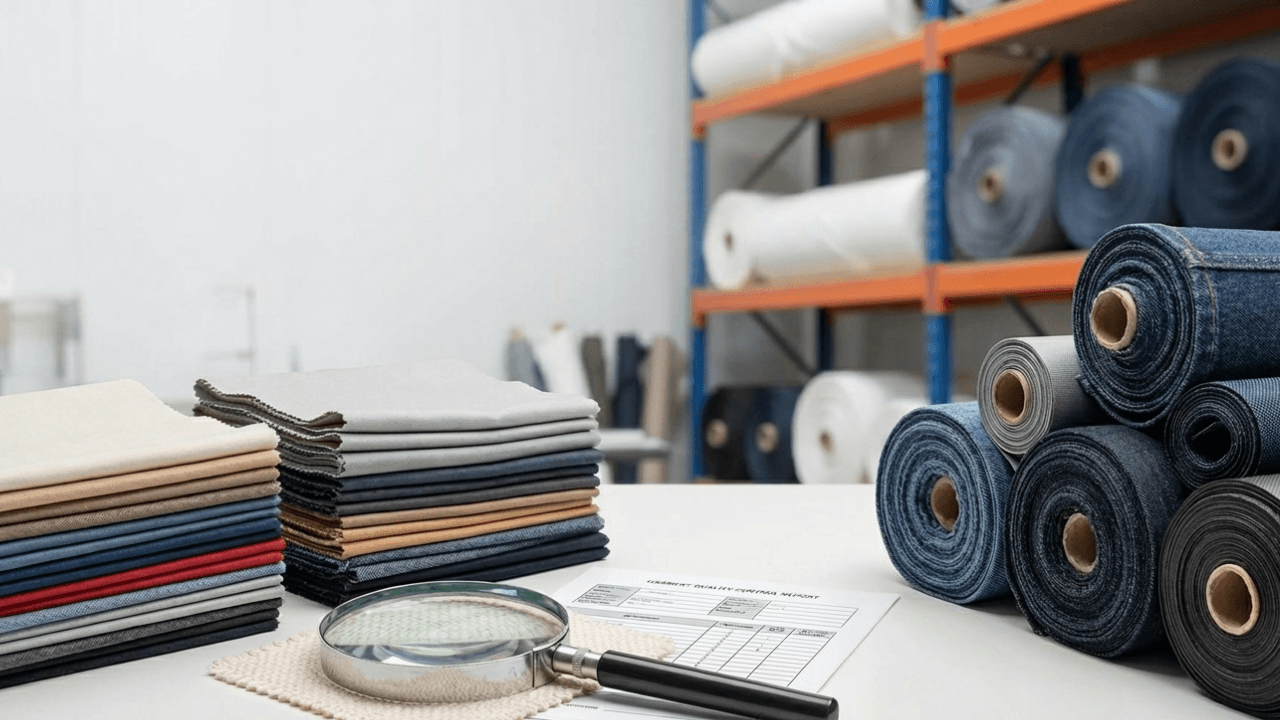
Fabric choice is the single most important decision in bulk apparel manufacturing. Before stitching quality, before branding, and even before design details, fabric determines how a garment looks, feels, performs, and survives real-world use.
In bulk orders, fabric decisions have a multiplied impact. A small compromise in fabric quality does not affect one piece. It affects hundreds or thousands of garments, customer perception, repeat orders, and long-term brand trust.
This guide explains how fabric choice influences apparel quality, pricing, and durability from a manufacturing perspective so buyers can make informed decisions instead of reactive ones.
Why Fabric Matters More in Bulk Production Than in Samples

A fabric that looks good in a single sample can behave very differently when produced at scale. Bulk manufacturing introduces repeated cutting, stitching, washing, packing, and transport stress. If the fabric is not suitable for bulk production, issues surface only after delivery.
At factory level, fabric selection is evaluated not just for appearance but for consistency, performance, and predictability across batches. Buyers who understand this difference experience fewer quality disputes and smoother production cycles.
Fabric and Apparel Quality Are Directly Connected
Apparel quality is often misunderstood as a visual trait. In reality, quality is functional. It is how the garment behaves after ten washes, not how it looks on day one.
Fabric directly affects quality through factors such as fiber strength, weave or knit structure, yarn consistency, and finishing treatments. Poor fabric leads to problems like early pilling, shape loss, seam distortion, and uneven shrinkage.
High quality fabric allows stitching and construction to perform as intended. Even excellent stitching cannot compensate for unstable or inconsistent fabric.
How Fabric Choice Influences Pricing in Bulk Orders
Fabric cost is usually the largest component of garment pricing in bulk manufacturing. However, buyers often focus only on per meter cost without understanding the full pricing logic.
Fabric impacts pricing in several ways:
- Raw material cost varies significantly between fiber types and blends
- Fabric GSM affects consumption and weight
- Dyeing and finishing processes add cost but improve performance
- Fabric wastage during cutting differs by material type
A lower fabric price can sometimes increase total cost if it leads to higher rejection rates, rework, or customer complaints. Experienced buyers evaluate fabric based on cost stability and performance, not just upfront price.
Subscribe to factori.com on YouTube and see how every custom order comes to life — from fabric to finish!
Durability Starts With Fabric Selection
Durability is not an abstract concept. It is measurable through shrinkage control, color fastness, abrasion resistance, and tear strength.
Fabric durability determines whether a garment can handle repeated washing, regular wear, and environmental exposure. For corporate uniforms, workwear, and merchandise, durability directly affects replacement cycles and buyer satisfaction.
Choosing the right fabric ensures that the garment maintains its shape, color, and comfort over time. Choosing the wrong fabric results in fading, deformation, and early product failure.
Understanding Common Fabric Categories in Bulk Apparel
Different use cases require different fabric characteristics. There is no universally best fabric. There is only a fabric that fits the purpose.
Cotton fabrics are widely used for comfort and breathability but require proper GSM and finishing to control shrinkage.
Polyester fabrics offer strength, color retention, and durability but may compromise on breathability if not blended correctly.
Blended fabrics combine the benefits of multiple fibers and are commonly used to balance comfort, durability, and cost.
Fabric choice should always align with the garment’s usage, climate, frequency of wear, and expected lifespan.
Fabric Consistency and Batch Control
One of the biggest challenges in bulk apparel manufacturing is fabric consistency across batches. Variations in yarn, dyeing, or finishing can lead to noticeable differences between production lots.
Reliable manufacturers evaluate fabric consistency before approving bulk production. This includes checking shade variation, GSM tolerance, and surface uniformity.
Buyers who prioritize consistency over short-term cost savings achieve better long-term results.
How Fabric Impacts Stitching and Construction
Fabric and stitching work as a system. Certain fabrics require specific stitch types, thread quality, and machine settings. Ignoring this relationship leads to seam damage and garment failure.
Stretch fabrics require different construction techniques compared to woven fabrics. Heavy fabrics need stronger threads and adjusted stitch density. Lightweight fabrics demand precision to avoid puckering.
Choosing fabric without considering construction compatibility creates downstream issues that are expensive to fix.
Fabric Testing and Quality Assurance
Professional bulk apparel production relies on fabric testing before cutting begins. Testing evaluates shrinkage percentage, color fastness, tensile strength, and wash performance.
These tests help predict how the garment will behave after production and customer use. Skipping testing increases the risk of large-scale defects that only appear after delivery.
Fabric testing is not a luxury. It is a risk management tool.

How Buyers Should Evaluate Fabric Before Bulk Orders
Buyers should go beyond touching the fabric or judging appearance. Practical evaluation includes washing tests, stretch recovery checks, and comparing fabric performance across samples.
Asking the right questions about fabric origin, processing, and testing reveals whether a manufacturer is process-driven or price-driven.
Fabric selection should always be documented and approved as part of the bulk production process to avoid disputes later.
Latest article: How Apparel Quality Is Defined at Factory Level (Not Retail Level)
Final Thoughts
Fabric choice is not a design decision. It is a strategic manufacturing decision that affects quality, pricing, durability, and brand reputation.
Buyers who invest time in understanding fabric behavior experience smoother production, fewer complaints, and stronger customer trust. Those who treat fabric as a shortcut often pay the price later in rejections, returns, and lost credibility.
In bulk apparel manufacturing, fabric sets the foundation. Everything else builds on top of it.
FAQs
Fabric choice directly affects garment durability, fit retention, color stability, and overall performance. In bulk orders, even small fabric inconsistencies can lead to widespread quality issues such as shrinkage, pilling, or seam distortion.
Samples are produced in limited quantities under controlled conditions. Bulk production involves repeated handling and processing, which exposes fabric weaknesses that may not appear in a single sample.
Fabric influences pricing through raw material cost, GSM, finishing processes, cutting wastage, and quality rejection rates. Lower fabric prices can increase overall cost if performance issues arise during production or after delivery.
Durability depends on fiber strength, fabric structure, yarn quality, finishing treatments, and shrinkage control. Fabrics that perform well in testing maintain shape, color, and strength over repeated use.
Leave a Reply