
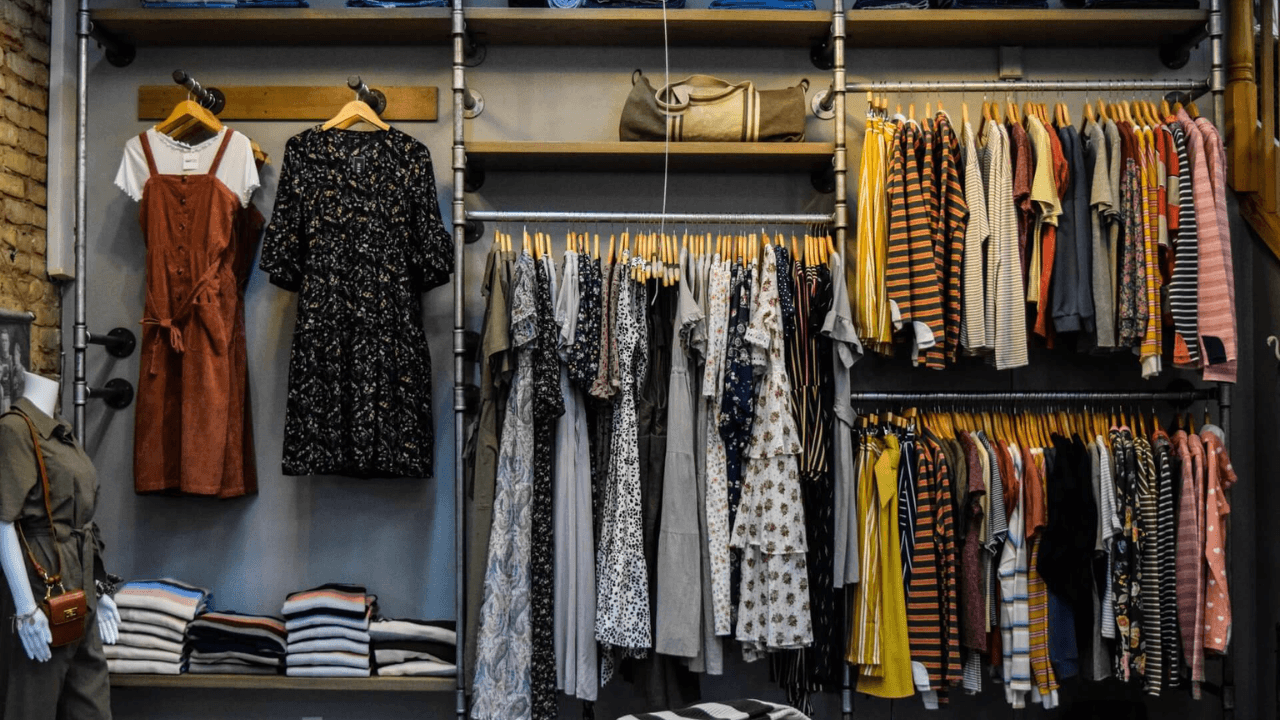
Walk into any WhatsApp founder group, Instagram D2C page, or early-stage brand meeting, and you’ll hear the same frustration repeating itself. Designs get delayed, vendors push MOQs, sizes get stuck, stock doesn’t move, and cash flow feels like quicksand. The story is so common that it has become a rite of passage for anyone trying to build an apparel brand in India: inventory becomes the biggest roadblock between creativity and growth. Yet the Indian apparel ecosystem still functions on a model designed decades ago—bulk manufacturing, long cycles, predictable trends, and the hope that everything produced eventually sells. But 2025 doesn’t work like that anymore.
Culture moves in minutes, not seasons. Consumers expect freshness, relevance, and faster drops. Creators are releasing two collections a week, not two a year. Micro-brands rise and fall at the speed of the internet. In this new environment, founders need agility, not stockrooms. What India needed—and has been missing—is a zero-inventory platform built for speed, experimentation, and modern consumer behaviour.
The Real Problem: India’s Apparel Industry Was Built for Scale, Not Speed

For decades, India’s apparel ecosystem was optimised for large factories, predictable demand, and standardised production. But the new generation of apparel entrepreneurs doesn’t operate like mass manufacturers. Today’s founders are creator-led, digital-first, community-driven, and deeply trend-responsive. They thrive on experimentation and storytelling, not mass volumes. However, the system forces them into high MOQs, rigid production cycles, and months-long timelines.
This mismatch creates intense bottlenecks. High MOQs kill creativity because a founder may want to test four designs with 15 pieces each, but factories insist on 300. Inventory risk swallows early-stage brands, turning unsold boxes into financial dead weight. Slow sampling cycles cause founders to miss cultural waves that move fast on social media. Vendor dependency creates constant inconsistencies, while significant cash gets trapped in stock rather than marketing. Worst of all, the very drops that build momentum become slower because inventory slows everything down.
In simple terms, India has been running a fast-fashion market on a slow-inventory engine.
Follow @factori.com_official to watch how we create custom T-shirts, uniforms, and merch — one order at a time!
Why Zero-Inventory Became the Inevitable Future
Globally, brands have been shifting toward on-demand manufacturing, but India never had a platform that made it accessible, fast, and affordable for small and mid-sized founders. Zero-inventory solves the core foundational problems in one stroke. It completely removes stock risk because production happens only after a sale. It empowers founders to launch unlimited designs, test micro-trends, experiment with niche collections, and build culture-led drops without committing capital upfront. It also aligns perfectly with new-age consumer behaviour where audiences value uniqueness, freshness, and constant novelty.
Most importantly, zero-inventory removes the operational burden that drains founders. No forecasting errors. No dead stock. No excess fabric. No quality mismatches from switching vendors. By shifting production to “after-sale,” founders can focus on brand, community, storytelling, and distribution—the actual levers that grow a modern apparel business.
The Rise of Micro-Entrepreneurs: The Silent Force Behind the Shift
While the ecosystem struggled with outdated processes, India witnessed a massive rise of micro-entrepreneurs—creators, community leaders, academies, gyms, workshops, and niche influencers. These individuals don’t have large warehouses, big teams, or predictable demand. What they do have are strong ideas, loyal audiences, and the desire to launch apparel lines built around culture, identity, and storytelling.
This new India doesn’t need mass production; it needs flexibility. It needs platforms that allow them to create fast, launch instantly, and scale without stock. This creator-led evolution is one of the biggest driving forces behind the shift to zero-inventory manufacturing.
Why Traditional Manufacturing Cannot Keep Up Anymore

Traditional factories were built for the needs of an older world—bulk orders, long cycles, and standardised products. But the new India wants speed and variety. It wants niche apparel, small-batch drops, creator collabs, limited editions, and personalised designs. When a factory asks for 300 pieces per design but a founder only needs 20 to test the market, the system breaks. When sampling takes a week but the trend will die in three days, the model is outdated. When founders want flexibility but factories demand predictability, growth becomes impossible.
This gap is why India desperately needed a zero-inventory platform—something capable of producing small batches, providing fast sampling, and scaling up or down instantly.
How On-Demand Manufacturing Fixes 90% of Founder Problems
On-demand manufacturing flips the traditional cycle entirely. Instead of producing first and hoping it sells, brands now sell first and produce after. This single shift eliminates forecasting errors, stock risk, dead inventory, and capital blocks. The brand becomes a creativity business rather than a manufacturing business. Founders focus on design, content, branding, and user experience. Production becomes a silent, automated backbone.
For early-stage founders, creator brands, and micro-businesses, this model is not just efficient—it’s life-changing.
Subscribe to factori.com on YouTube and see how every custom order comes to life — from fabric to finish!
Where factori.com Fits Into This New Era
Although India had printers, merch shops, and custom suppliers, it never had a full-stack, tech-first, zero-inventory apparel platform built specifically for modern founders. factori.com is building that missing infrastructure layer.
The platform is designed for creators, small brands, academies, community-led businesses, and early-stage founders who need flexibility, speed, and reliability. It brings together catalog, design-to-production automation, consistent quality, no MOQs, predictable timelines, and the ability to launch drops in hours instead of months. It enables founders to build apparel businesses without factories, warehouses, or large teams—unlocking the freedom to experiment endlessly and grow organically.
Why 2025 Will Be the Year Zero-Inventory Becomes Mainstream
Three powerful cultural shifts are converging: the creator economy is exploding, Gen-Z demands faster and more meaningful drops, and apparel entrepreneurship has become a viable path for millions of Indians. The old infrastructure cannot support this scale of creativity anymore. A zero-inventory platform isn’t just a manufacturing solution—it’s the backbone for the next generation of Indian entrepreneurs.
Latest Article: Understanding GSM in Fabrics — Discover how fabric weight impacts your custom T-shirts. Read Now
The Future: Unlimited Creativity, Zero Risk
Imagine a world where any founder can launch 20 designs in a day, run weekly drops, test micro-trends instantly, and scale without ever touching a single box of stock. That world is no longer a distant possibility—it’s here. Zero-inventory isn’t just an operational upgrade; it’s a cultural evolution. It shifts power back to founders, creators, and communities. And it’s going to redefine how India builds apparel brands in 2025 and beyond.
FAQs
Zero-inventory is becoming essential because traditional manufacturing forces founders to buy stock upfront, guess demand, and lock capital into unsold pieces. With trends changing faster than production cycles, most small brands end up with dead inventory or delayed launches. A zero-inventory model removes this risk by producing only after an order is placed, making it easier for new and creator-led brands to launch collections without financial pressure.
Small brands often struggle with high MOQs, inconsistent quality, vendor dependency, long sampling timelines, and the constant fear of unsold stock. These issues slow down creativity and make it difficult to respond to culture, trends, and customer preferences. The traditional system is built for large batches, not the fast-moving, identity-led brands that dominate today’s market.
A zero-inventory platform lets entrepreneurs launch designs instantly, test multiple styles without commitment, and avoid stocking any physical products. Because production happens only after a sale, founders can experiment with trends, drops, and limited editions without capital risk. It shifts the business from manufacturing-heavy to creativity-first, giving new brands a realistic way to grow.
Yes, on-demand manufacturing is reliable when backed by a structured production ecosystem. Modern platforms can maintain consistent quality, standardised sizing, and predictable delivery timelines even while producing in smaller batches. As brands scale, the same system can increase output without the brand needing warehouses, bulk orders, or operational overhead.
factori.com is built as a full-stack apparel infrastructure, not just a print-and-ship model. It focuses on brand-quality manufacturing, automated production workflows, fast turnaround, and consistency across thousands of units. Instead of offering generic merch, the platform supports real apparel brands, identity-led drops, and scalable product lines—making it suitable for founders who want to build long-term clothing businesses, not just one-off merchandise.
Leave a Reply