
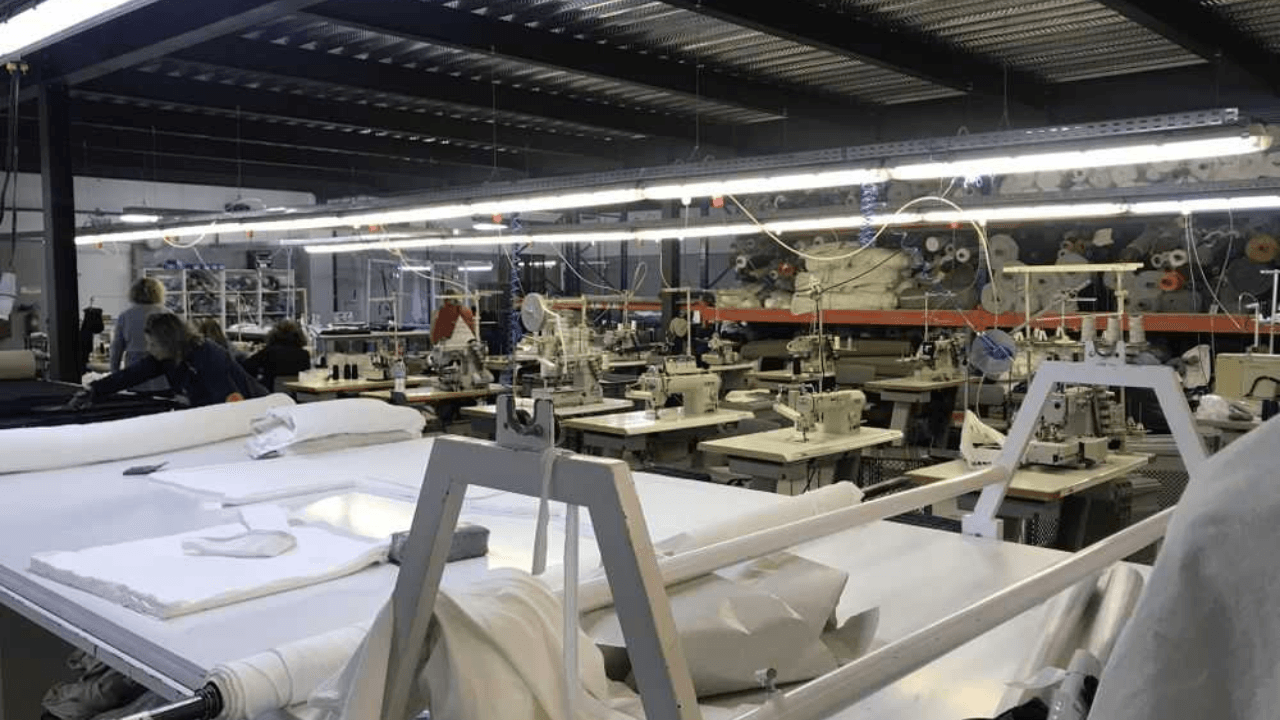
Clothing contract manufacturing has rapidly become the backbone of India’s modern apparel ecosystem. For brands, corporates, creators, and D2C entrepreneurs, it solves the biggest challenge in the fashion and merchandising business — consistent, reliable, scalable production.
Instead of investing in factories, machinery, labour, raw materials, and complex operations, brands now partner with specialized manufacturers who handle everything end-to-end. This shift has created a new ecosystem where founders focus on brand-building, marketing, and distribution, while manufacturing experts take care of product development, fabric, stitching, printing, QC, and dispatch.
This guide breaks down the full process deeply — how contract manufacturing works, why businesses depend on it, what standards to expect, how to choose the right partner, and how platforms like factori.com are redefining the category in India.
What Exactly Clothing Contract Manufacturing Is?

In the simplest terms, contract manufacturing means that your brand outsources apparel production to an expert manufacturing partner who produces the goods under your brand name and specifications.
But in reality, contract manufacturing goes far deeper than simple stitching or printing. A professional contract manufacturer provides:
- Fabric sourcing
- Pattern making
- Cutting and stitching
- Dyeing and washing processes (if needed)
- Screen printing, DTF, embroidery
- Brand labeling, tags, packaging
- Quality checks
- Bulk order management
- Final packing and nationwide dispatch
Instead of coordinating with multiple vendors, brands get one unified system to produce premium-quality apparel consistently.
Why Clothing Brands Prefer Contract Manufacturing Over In-House Production
For modern brands, contract manufacturing offers strategic, financial, and operational advantages. The key reasons include:
1. Zero Capital Investment
Setting up a clothing production unit requires significant investment — industrial machines, manpower, space, raw materials, electricity systems, maintenance, and workflow management. Contract manufacturing removes this cost entirely.
2. Access to Skilled Labour
Apparel production depends heavily on skilled workers: tailors, pattern masters, printers, QC technicians, and finishing staff. Managing this in-house is difficult. Contract manufacturers already have strong systems and experienced teams.
3. Consistent Quality Control
Quality issues are common when brands juggle multiple vendors. Contract manufacturers follow standardized QC steps for shrinkage, stitching tension, print curing, fabric defects, and finishing.
4. Faster Production and Better Timelines
Manufacturers with experience run structured workflows. Their teams know how to handle bulk orders efficiently, reducing delay risks and ensuring predictable delivery.
5. Ability to Scale Quickly
If a brand grows from 500 units to 10,000 units per month, contract manufacturers adjust capacity without the brand needing to hire more staff or machines.
6. Focus on Brand Growth Instead of Operations
Founders can spend their time on marketing, sales, distribution, collaborations, and customer retention instead of factory-level coordination.
A Deep Breakdown of the Contract Manufacturing Process
End-to-end contract manufacturing involves several stages, each of which adds reliability and structure to the final product.
1. Requirement Understanding & Product Development
This is the foundation of the manufacturing pipeline. The manufacturer studies the brand’s requirements and helps finalize:
- Product category (T-shirt, polo, hoodie, sweatshirt, activewear)
- Intended usage (fashion, corporate, events, e-commerce, fitness)
- Fabric type (cotton, polycotton, dri-fit, fleece, French terry)
- GSM requirement
- Fit style (oversized, regular, streetwear, slim)
- Colour palette
- Branding elements
At this stage, brands often receive fabric swatches, colour maps, samples from past work, and technical suggestions on what will perform best for their target audience.
2. Fabric Sourcing and Pre-Production Checks
Fabric selection determines 60% of the product’s success. A professional contract manufacturer sources materials from verified mills and performs checks like:
- Shrinkage test
- GSM verification
- Pilling resistance
- Colour fastness
- Hand feel consistency
- Stretch and recovery tests
These checks ensure that the fabric behaves predictably after printing and washing — something essential for premium brands.
3. Pattern Making, Cutting & Stitching
Once the fabric is approved, the production moves to technical development:
- Accurate pattern creation for all sizes
- Bulk fabric laying and cutting
- Stitching with standard measurement protocols
- Neckline and shoulder construction
- Sleeve attachment with proper seam strength
- Hemming, overlocking, and finishing
Stitching quality directly affects how long the garment lasts, so manufacturers maintain consistent sewing machine tension and needle quality.
4. Printing, Embroidery, and Branding
This is where the brand’s identity becomes visible. Depending on the design, manufacturers offer:
- Screen printing for solid, durable prints
- DTF printing for complex, full-colour designs
- Embroidery for premium branding
- Heat transfer tags
- Woven label application
- Custom packaging inserts
A contract manufacturer ensures proper curing, ink density, alignment, and finishing so the final product looks and feels premium.
5. Quality Checks at Every Stage
A trusted manufacturer runs QC in multiple layers rather than at the end. This includes:
- Stitching inspection
- Measurement verification
- Fabric defect checks
- Print curing test
- Colour matching
- Shrinkage re-check (if applicable)
- Final finishing review
This prevents returns, reprints, and wastage — saving the brand time and money.
6. Packing and Dispatch
Once QC is complete:
- Each item is folded
- Packed in polybags or custom packaging
- Sorted size-wise
- Packed into cartons
- Labeled clearly
- Dispatched through logistics partners
Brands receive bulk cartons ready for warehouse storage, event distribution, or e-commerce fulfillment.
Who Should Use Contract Manufacturing?

Contract manufacturing is ideal for:
Growing clothing brands
who want consistent quality and scalable production.
Startups launching their first collection
without investing in infrastructure.
Corporates
needing uniforms, promotional wear, and team apparel.
Agencies & marketing firms
managing large event or festival merchandise.
Podcasters, creators, and influencers
who want merch production without managing factories.
Resellers & marketplace sellers
who require reliable stock and branding options.
Why factori.com Is a Strong Contract Manufacturing Partner in India
factori.com simplifies production by combining ready stock, quick customization, and an end-to-end workflow suitable for brands of all sizes.
1. Large ready-to-ship inventory
This reduces lead times significantly — brands don’t wait for fabrics to be sourced or manufactured.
2. Full manufacturing stack under one roof
Fabric → Stitching → Printing → Branding → Packing → Dispatch.
3. Ideal for both startups and large-scale clients
Whether it’s 100 pieces or 10,000+, the system handles both smoothly.
4. Professional QC at every stage
Consistent quality for all batches.
5. Expert guidance on fabrics and customization
Brands get technical clarity before production, not after issues arise.
6. Faster delivery due to streamlined operations
Shorter timelines mean faster launches and quicker sales cycles.
Conclusion
Contract manufacturing is no longer an optional model — it’s the backbone of India’s modern apparel industry. For founders, corporates, creators, and growing clothing brands, it provides the stability and scalability required to compete in a fast-moving market.
By choosing an experienced partner like factori.com, brands gain access to a complete production ecosystem that handles fabric, stitching, printing, quality control, and dispatch — all under one roof.
This allows you to focus entirely on what matters most:
building your brand, growing your audience, and increasing sales.
FAQs
Clothing contract manufacturing includes the complete production process: fabric sourcing, pattern making, cutting, stitching, printing, branding, quality control, packing, and dispatch. It allows brands to outsource the full manufacturing pipeline to a professional partner instead of handling operations in-house.
Choose a manufacturer who offers end-to-end services, consistent QC, transparent timelines, fabric testing, scalable production capacity, and experience with your product category. A good contract manufacturer should also provide sample approval before bulk production and support both small and large quantities.
MOQs vary depending on product type, fabric availability, and customization needs. Some manufacturers require 300–500 pieces per style, while platforms like factori.com support lower quantities for certain categories, allowing startups and small brands to begin production without large commitments.
Brands choose contract manufacturing to avoid high setup costs, machinery investments, skilled labour management, and operational complexity. It offers faster production, better quality control, and easier scaling — allowing founders to focus on marketing, sales, and brand growth.
Production timelines depend on fabric type, order quantity, and printing requirements. On average, contract manufacturing takes 7–25 days for bulk orders. If the manufacturer has ready-to-ship stock, the timeline becomes much faster because production starts immediately without waiting for fabric procurement.
Leave a Reply